May 14
th 2007 Called Kym the adjuster to touch base and find out where we were in the claims settlement. No word yet, she's waiting on input from the
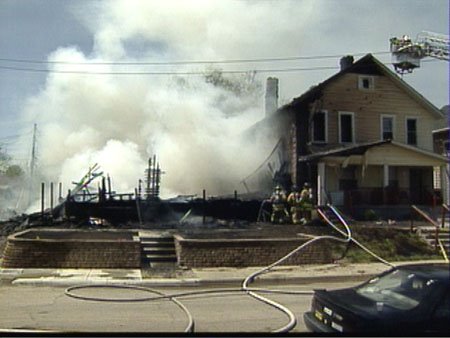
GC to get her numbers together. I ask if she's received copies of the leases (hint hint I want my loss of rent coverage) she has received them; she says the company will pay out based on how long they estimate the renovation will take and an advance is possible if needed. We'll see how that goes. I'm hoping this doesn't require the services of an attorney.
Since there's nothing going on on my claim I'll cover the basics of Dwelling coverage on rental property (property that's not owner occupied). This applies to residential property with 1 - 4 units and no commercial exposure (no apartments on top of stores or houses used for a public access business). This does not apply to commercial coverage.
A standard policy has four parts:
- Declarations - Insurance company name, name of insured, address of property, amount of coverage, premium, and policy period.
- Insuring Agreement - Contains consideration clause, effective time & location, policy limits, ACV limitations, company options, direct vs indirect losses, insurable interests and perils covered.
- Conditions - Conditions that apply to insurer and insured; an example would be insured requirements to notify insurer of loss.
- Exclusions - What's not covered. Flood, war, nuclear, earthquakes and wear & tear (including insect & animal damage) are general exclusions that apply to all policies.
The policy is broken into the base policy (called a standard fire policy or
SFP) and a Dwelling Form endorsement (Def. an endorsement is an addition to a Property & Casualty policy that adds more coverage; called a rider if it's Life & Health related). The
SFP covers basics like fire & lightning. Additional loss coverage depends on which endorsement you buy:
- DP-1 endorsement - Basic Form or DP-1 - Pays ACV (replacement cost minus depreciation) coverage (replacement cost may be available for extra $$) Named coverages are: Wind, Hail, Aircraft, Riot & Civil commotion, Vehicle, Volcano, Explosion & Smoke. DP-1 policies are generally only sold on vacant property (under renovation or for sale) SO another important endorsement is vandalism and malicious mischief (VMM). May not cover trees and scrubs.
- DP-2 endorsement - Broad form, Includes all coverages on DP-1 plus replacement cost on structure, burglary damage, falling objects, weight of snow & ice, water leakage, freezing pipes, power surge and glass. VMM is included without an endorsement. Usually includes trees and scrubs.
- DP-3 endorsement - All risks -includes all coverages in DP-2 and generally covers anything not excluded. Theft only applies to build in items.
To determine what your coverage is, read your policy (it's a thumping good read..for an insurance geek) or look at your declarations page. If it's still not clear, discuss with your insurance agent or call customer service at your insurance company. Be sure to press for details, since your agent may not know what he's selling.
The policy will pay up to a certain amount of money for the above mentioned losses based on your declarations page:
Deductible - Usually $500 to $1000, amount property owner is to pay before losses are paid.
Coverage A: Dwelling- the building itself including all structures and fixtures attached to the property. May be replacement cost or ACV. Usually contains an inflation provision so coverage (and premium) go up a certain percentage every year on the policy anniversary date. Determining proper replacement cost is a discussion for another day.
Coverage B - Other structures - Outbuildings or unattached items (like fences). Usually 10% of Coverage A. Pays in addition to Coverage A, so on a total loss, if you have $100,000 of Coverage A you would receive up to an additional $10,000 under coverage B.
Coverage C - Personal property - Again a percentage of Coverage A: This tends to vary by insurance company. This is limited to the owners personal property at a rental house, not the tenants things.
Coverage D - Loss of Rents. Usually 10% of Coverage A. Covers fair market rent for up to a year or whatever period the insurer thinks is needed to repair property.
Liability Coverage Sometimes called Coverage E - Usually between $100,000 to $500,000 of coverage. Coverage for owners to pay $$ for negligent acts that caused bodily injury or property damage related to owning the property.
Med Pay - Sometimes called Coverage F -Provides small amounts of medical coverage so injured parties don't need to sue for liability coverage to get minor injuries paid for.
Other coverage included (read your policy to see if they're included):
Board up and securing property after loss.
Debris removal - certain limits may apply, such as removal of fallen trees.
Fire department service charges -typically around $500 is covered.
Coverages for code compliance - extra $$ paid to bring older properties up to current code. For example the asbestos shingles on my rental.
Later I'll discuss how properties are valued and how insurance companies pay claims.
Ernesto TIG